Sumba Surf Guide
Best Surf Spots, Conditions, Seasons & How to Get There
SUMBA SURF GUIDE
How Surfers Get Around Sumba
Surfing in Sumba isn’t just about finding waves — it’s about being in the right place at the right time.
Distances are long, roads can be rough, and many of the best spots are remote.
👉 Choose your surf setup:
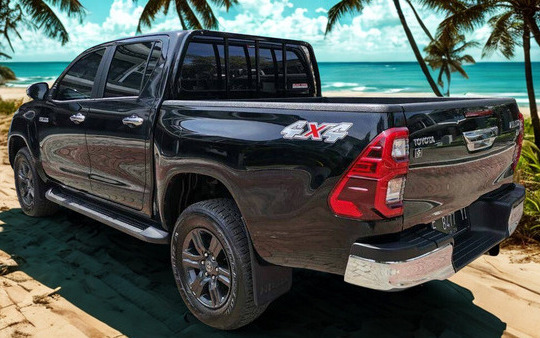
CAR RENTAL
- Best for longer surf trips and reaching multiple spots across Sumba.
- Space for surfboards
- Optional local driver
- Ideal for west → east trips
- Comfortable for 2–4 surfers
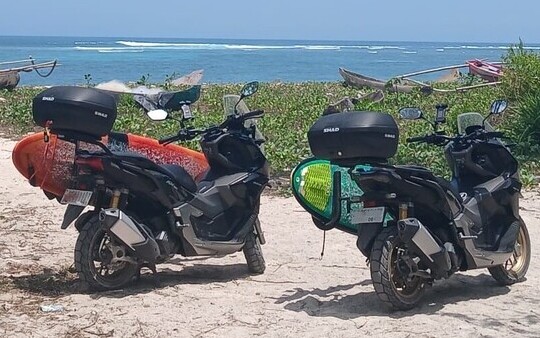
SCOOTER RENTAL
- Perfect for short distances, flexible surf sessions and exploring nearby beaches easily.
- Budget-friendly
- Easy to park anywhere
- Surf racks available
- Most popular choice in Sumba
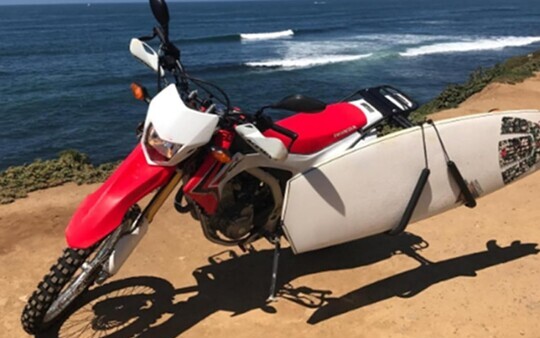
DIRT BIKES
- Best choice for off-road access and reaching remote, uncrowded surf spots.
- Access hidden beaches
- Built for rough roads
- True Sumba adventure
- Only option for off-road access
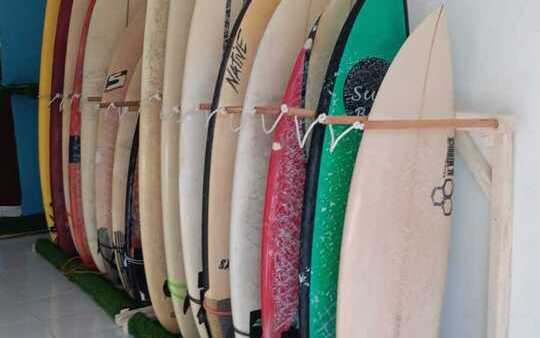
SURFBOARDS
- Travel light and have your board ready when you arrive in Sumba for your trip.
- Avoid airline fees
- Different board sizes
- Ready on arrival
- No need to bring your board
Sumba Surf Guide
Best Surf Spots, Conditions & Travel Tips
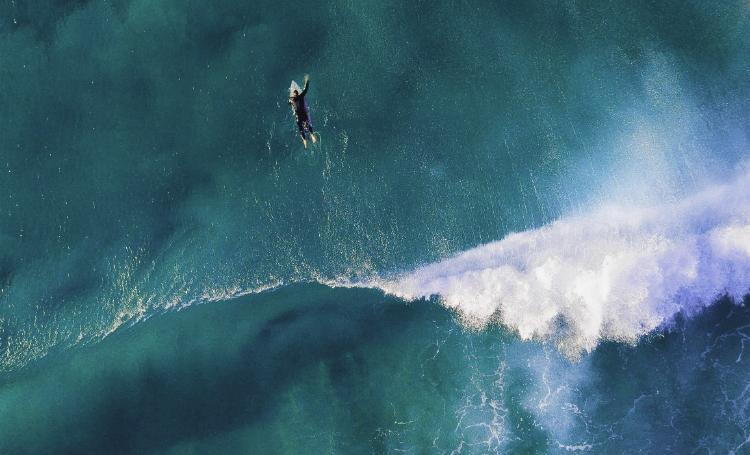
Sumba is one of the last true surf frontiers in Indonesia.
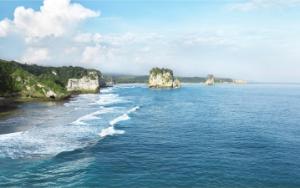
No crowds, no overdevelopment — just raw coastline, powerful reef breaks, and long empty lines wrapping into untouched bays.
But surfing in Sumba isn’t easy.
Waves are spread out, highly condition-dependent, and getting to the right spot at the right time is everything.
👉 This guide covers:
- The best surf spots in Sumba (detailed)
- Swell, wind, and tide conditions
- How each wave actually works
- And how to reach them efficiently
Let’s break down the best surf spots in Sumba:
🌊 Why Surf Sumba?
- Direct exposure to Indian Ocean swell
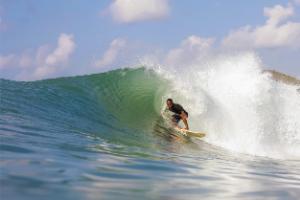
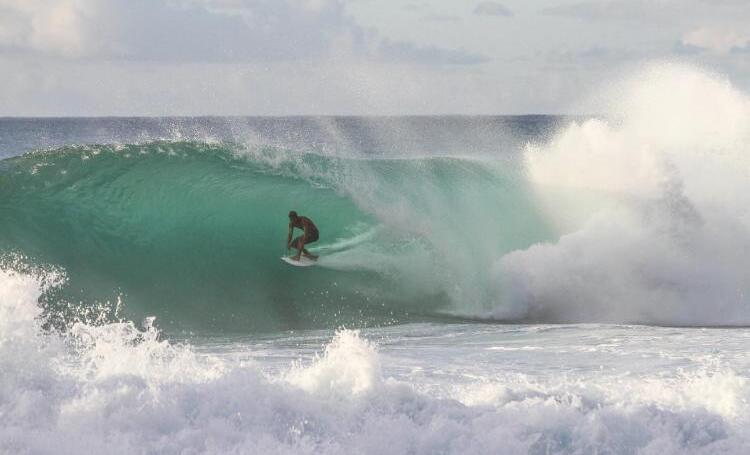
- Long reef waves and hollow sections
- Very low crowd levels
- Remote and wild coastline
- True exploration surfing
🌊 Sumba Surf Spots
🌊 Pero (Left & Right)
Level: Intermediate–Advanced | Swell: SW–S
Wind: E–SE offshore | Tide: Mid tide best
River-mouth setup with two distinct waves.
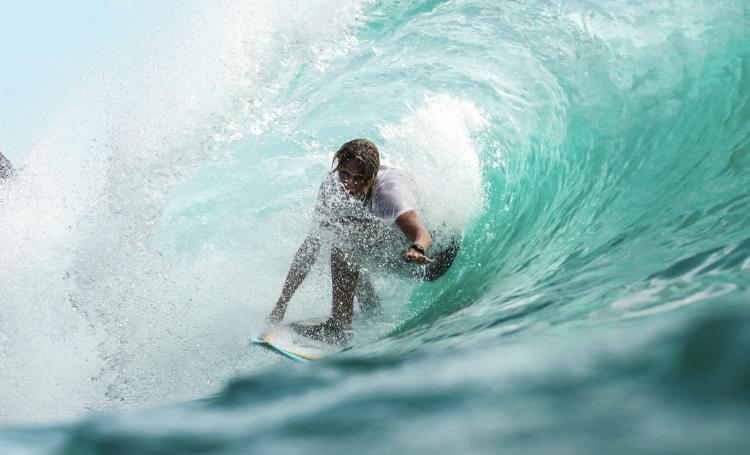
🏄♂️ Pero Left
- clean wrapping wall into the bay
- smooth takeoff on mid tide
- long carve sections
- occasional hollow pocket
Playful but high-quality wave. On bigger swell, it becomes faster with more critical entries and short barrel sections.
🏄♂️ Pero Right
- longer, more mechanical
- faster down-the-line sections
- more performance oriented
Needs slightly bigger swell to work properly
Sumba Surf Tours & Transfers
Sumba is home to world-class waves and uncrowded surf regions across West and East Sumba. Many surf spots are located along remote coastal roads requiring local knowledge and reliable transport.
We provide flexible surf transfers and multi-day surf tours tailored to your travel plans, including:
- Airport pickup in Tambolaka or Waingapu
- Daily surf missions to nearby breaks
- Multi-day surf trips across the island
- Transport to remote surf camps and eco-resorts
- 4×4 access during rainy season
Whether you need a Hilux 4×4 or a private driver familiar with Sumba’s surf regions, we ensure safe and comfortable transport for you and your boards.
- 👉 Check Surf Transport Availability
🌊 Kerewe (Right)
Level: Intermediate–Advanced | Swell: SW–W
Wind: E–SE offshore | Tide: Mid to high tide best
Remote reef setup with a long, clean right-hander and plenty of room to draw proper lines when it’s on.
🏄 Kerewe Right
- long peeling right across the reef
- open face with carve sections and speed walls
- works on a wide range of swell sizes
- can offer faster, more critical sections on bigger days
One of Sumba’s standout waves. Clean, flowing and highly consistent, with enough length to link turns and enough push to stay interesting when the swell jumps.
🌊 Marosi
Level: Beginner–Advanced | Swell: SW–W
Wind: E–SE offshore (dry season best) | Tide: Low to mid tide best
Wide-open coastline with a mix of beach breaks and reef setups, offering everything from beginner waves to heavy, advanced sections depending on the spot.
🏄 Cocos (Left)
One of the most consistent peaks in Marosi. Playful on smaller swell, but can turn punchy and demanding as size increases.
🏄 Launching Pads
Fast, hollow reef break with short, barreling sections and more technical takeoff.
🏄 Sunsets
Deep-water right-hand reef break which handles large swell. A serious wave that comes to life on bigger swell. Powerful and exposed, best left to advanced surfers.
🏄 Beachy (Beginner Area)
Soft sand-bottom wave ideal for beginners. Best place in the Marosi area to learn or surf on smaller days; much more forgiving than nearby reefs.
🌊 Rua Beach
Level: Beginner–Intermediate | Swell: SW–W
Wind: Light W or variable | Tide: Mid to high tide best
Sheltered bay with mellow, rolling waves, making it one of the easiest and most beginner-friendly surf spots in Sumba. A great spot for beginners or relaxed sessions. While not a high-performance wave, it offers safe and enjoyable conditions in a beautiful setting.
🌊 Wanokaka
Level: Intermediate–Advanced | Swell: SW–W (also some S)
Wind: Light W or variable | Tide: Mid to high tide best
A wild and scenic coastline with multiple reef setups, offering powerful waves and uncrowded sessions in a remote setting. Can offer long rides on the right swell. One of Sumba’s more raw and open surf zones. When conditions line up, Wanokaka delivers powerful, clean waves with plenty of room to move.
Sumba Surf Guide – FAQs
Yes — Sumba is one of Indonesia’s last uncrowded surf destinations, offering powerful reef breaks, long walls, and empty lineups. It’s best suited for intermediate to advanced surfers, but there are also a few beginner-friendly spots like Rua Beach.
The best time to surf in Sumba is during the dry season from April to October, when consistent SW swell and easterly trade winds create clean, offshore conditions. Early mornings are usually the cleanest.
Yes. We offer vehicles suitable for surfboard transport, including 4×4 options for remote beach access. If you are travelling with longboards or multiple boards, please inform us in advance so we can recommend the most suitable vehicle.
Most surf spots are spread out and require car, scooter, or 4×4 access. Roads can be rough, and some locations are remote, so planning transport is essential — especially if you’re traveling with surfboards.
Surfboard rental options are limited in Sumba, so it’s best to arrange boards in advance. If you don’t bring your own, you can rent boards locally through trusted providers.
Bring a versatile quiver:
- shortboard for performance waves
- step-up for bigger days
- optional mid-length or longboard for smaller conditions
Also bring spare leashes, fins, and repair kit — there are almost no surf shops on the island.
No — distances are long and roads can be rough. Travel between surf spots can take time, so planning your route and transport is key to making the most of your trip.