EXPLORE SUMBA
Is It Safe to Drive in Sumba? What Travellers Should Know
Sumba is one of Indonesia’s most beautiful and untouched islands. From dramatic coastlines and remote waterfalls to traditional villages and empty beaches, the best way to explore Sumba is by car.
Many travellers wonder, however: Is it safe to drive in Sumba?
The short answer is yes — if you understand the local conditions and drive carefully. Roads are quiet, traffic is minimal, and most visitors who rent a car find driving around Sumba surprisingly relaxed.
Here’s what you should know before getting behind the wheel.
1️⃣ Road Conditions in Sumba
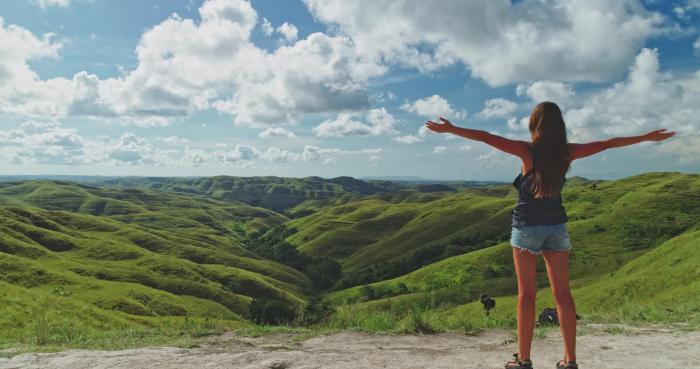
Road conditions in Sumba vary depending on the region.
Main roads connecting major towns like Tambolaka, Waikabubak, and Waingapu are generally paved and in decent condition. These routes are used daily by locals and are easy to navigate.
However, once you leave the main roads to reach beaches, waterfalls, or traditional villages, the roads can become:
Narrow
Bumpy
Occasionally unpaved
This is completely normal for a remote island and part of the adventure of exploring Sumba.
A standard car works for most routes, but for some remote areas a vehicle with higher clearance can be helpful.
2️⃣ Traffic in Sumba Is Very Light
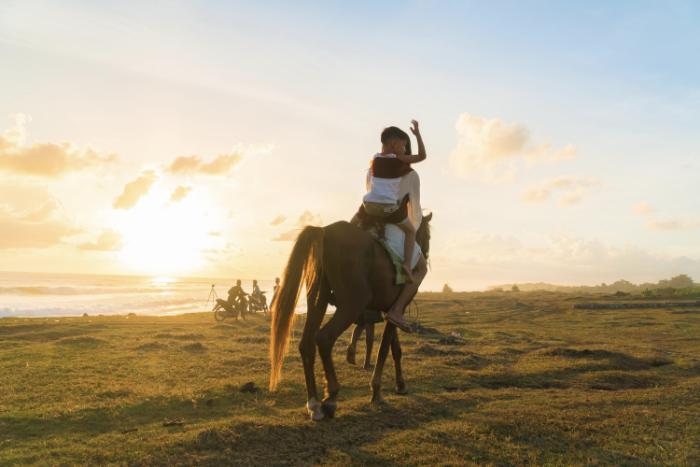
One of the nicest surprises for travellers is how little traffic there is in Sumba.
Compared to places like Bali, driving here feels calm and spacious. Outside the towns you may drive for long stretches without seeing many vehicles.
You’ll mostly encounter:
Motorbikes
Local pickup trucks
Occasional buses between towns
Because traffic is so light, many visitors find driving here easier than expected.
3️⃣ Things to Watch Out for on the Road
While driving in Sumba is generally safe, there are a few things to keep in mind.
Animals on the road
In rural areas it’s common to see horses, pigs, goats, or chickens crossing the road.
Slow down when driving through villages and be prepared to stop if needed.
Road conditions at night
Street lighting outside the towns is very limited. Because of this, it’s usually best to avoid driving long distances at night.
Unexpected obstacles
You may occasionally encounter potholes, construction areas, or gravel sections on smaller roads.
Driving slowly and attentively is the best approach.
4️⃣ Driving Style in Sumba
Local drivers in Sumba are generally relaxed and patient.
There is no aggressive traffic culture like in some big cities. People often drive slowly and give each other space.
Still, it’s helpful to remember a few local habits:
Overtaking is usually done carefully and slowly
Motorbikes may appear from small side roads
In villages, people and animals share the road
Taking your time and driving defensively will make your journey smooth and enjoyable.
5️⃣ Should You Rent a Car With a Driver?
Some travellers prefer to rent a car with a local driver, especially if they want a more relaxed experience.
A driver can help with:
Navigation
Local insights and recommendations
Language assistance in villages
Long day trips across the island
For many visitors, however, self-driving is perfectly manageable and offers more flexibility to explore Sumba at their own pace.
6️⃣ Why Renting a Car Is the Best Way to Explore Sumba
Public transport in Sumba is limited and many of the island’s most beautiful places are far from towns.
With a rental car you can easily visit highlights such as:
Weekuri Lagoon
Mandorak Beach
Lapopu Waterfall
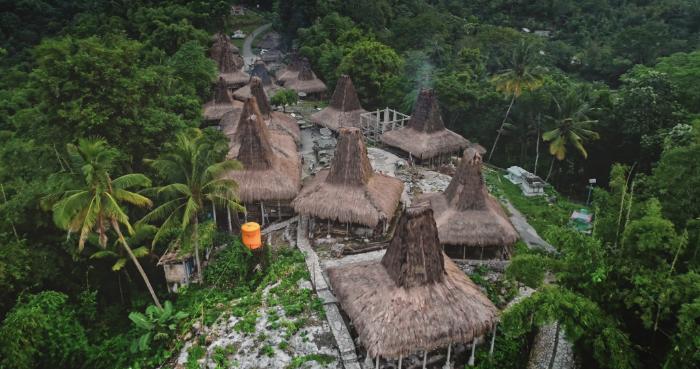
Traditional villages
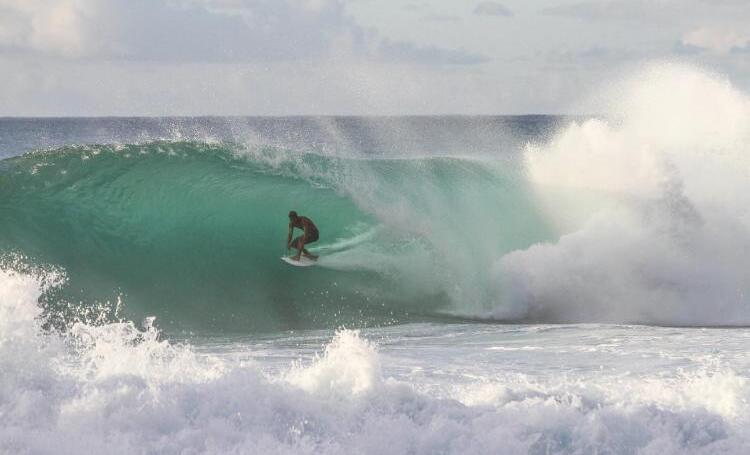
Remote surf beaches
Having your own vehicle allows you to explore the island without depending on schedules or organised tours.
Planning a Surf Trip to Sumba?
Driving in Sumba is generally safe and far less stressful than many travellers expect.
As long as you drive carefully, respect local conditions, and avoid rushing, exploring the island by car can be one of the best parts of your trip.
It gives you the freedom to discover hidden beaches, quiet villages, and incredible landscapes that many visitors never get to see.
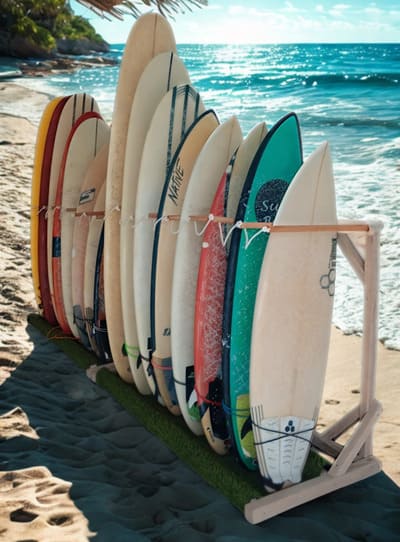
Need a Surfboard in Sumba?
- Skip airline board fees and rent locally. We offer quality boards, delivery to surf areas, and local advice on the best option for your trip.
- Delivery available
- Local surf advice
- Add to bike or transfer booking
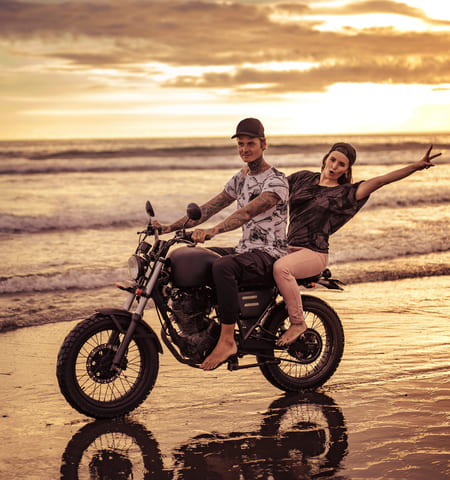
Choose Your Ride in Sumba
- Flexible scooter and dirt bike rental with surf rack options and easy pickup.
- Ideal for solo travelers & couples
- Pickup available across Sumba
- Surf racks & luggage options
- Scooter & dirt bike available
Sumba Rental Cars
Get in Touch
- Jl. Lede Kalumbang, Radamata, Kec. Loura, Kabupaten Sumba Barat Daya, Nusa Tenggara Tim.
- +62 821-4220-740
- info@sumbarentalcars.com
Information
Copyright © 2024 Sumba Rental Cars.
